
A diary can be much more than a place to note appointments. When used with intention, it becomes a thinking space where goals take shape and ideas turn into action. Writing things down gives your plans clarity and makes them harder to ignore than passing mental resolutions. It also creates a record of progress, which helps you to stay consistent through busy or low-motivation days.
In this blog, we will learn how we can use our 2026 diary not just to organise time but to design the year with purpose, track meaningful growth, and make realistic progress toward what truly matters.
A] What Makes a New Year Diary Effective for Goal Setting?
Casual journaling captures thoughts and feelings, but a goal-focused diary gives direction to those thoughts. As you step into a new year, using your diary in this structured way turns resolutions into a realistic roadmap for the entire year. When you write your goals and break them into actions, they become clearer and easier to follow.
The act of writing also improves memory, commitment, and accountability. A physical diary, in particular, reduces digital distractions and encourages deeper reflection. Turning pages, highlighting milestones, and revisiting earlier entries creates a sense of continuity that apps often lack.
Over time, your diary becomes both a planner and a progress mirror. It shows not only what you planned but also how consistently you showed up for yourself.
Because of this personal and practical value, diaries are also popular as thoughtful workplace and personal presents—something you can explore in our blog on affordable diary-pen sets for office and personal gifts.
B] How to Plan Your Year Using a 2026 Diary
Planning your year in advance helps you move from intention to consistent action. Below are the essential steps to break your big goals into achievable phases:
- Start With Yearly Intentions: Define 3–5 focus areas for the year—career, health, finances, learning, or relationships. Keep them realistic and meaningful.
- Break Goals Into Quarters: Divide big goals into 90-day outcomes. This makes progress measurable and prevents last-minute pressure.
- Convert Plans Into Monthly Actions: Assign specific tasks to each month so your goals move from vision to execution.
- Use Creative Visual Cues: Colour coding, symbols, or themes can help you identify priorities at a glance and make planning enjoyable.
- Keep Plans Flexible: A diary should guide you, not restrict you. Leave buffer space for changes, new opportunities, and rest.
This layered planning approach keeps your year structured while still allowing room for real life.
C] How to Use Your Diary Daily Without Feeling Overwhelmed
Daily use does not have to mean long entries. A few intentional lines are enough. Start by writing your top three priorities for the day so your focus stays clear.
Add a small habit tracker to maintain consistency in areas like reading, exercise, or mindful breaks. On difficult days, simply note one completed task and one learning. This keeps the habit alive without pressure.
Your diary should support your energy, not demand it. Even brief check-ins create a rhythm that builds discipline over time. When you look back, these small entries reveal patterns—what drains you, what motivates you, and when you perform at your best.
D] Choosing the Right New Year Diary for Your Planning Style
The right diary layout can make goal planning feel natural. Daily formats offer detailed scheduling, while weekly layouts give a broader view of priorities and balance.
Goal-based planners include habit trackers, reflection pages, and progress reviews, which are useful if you like structure. Paper quality, binding, and spacing also matter because they affect how often you enjoy writing.
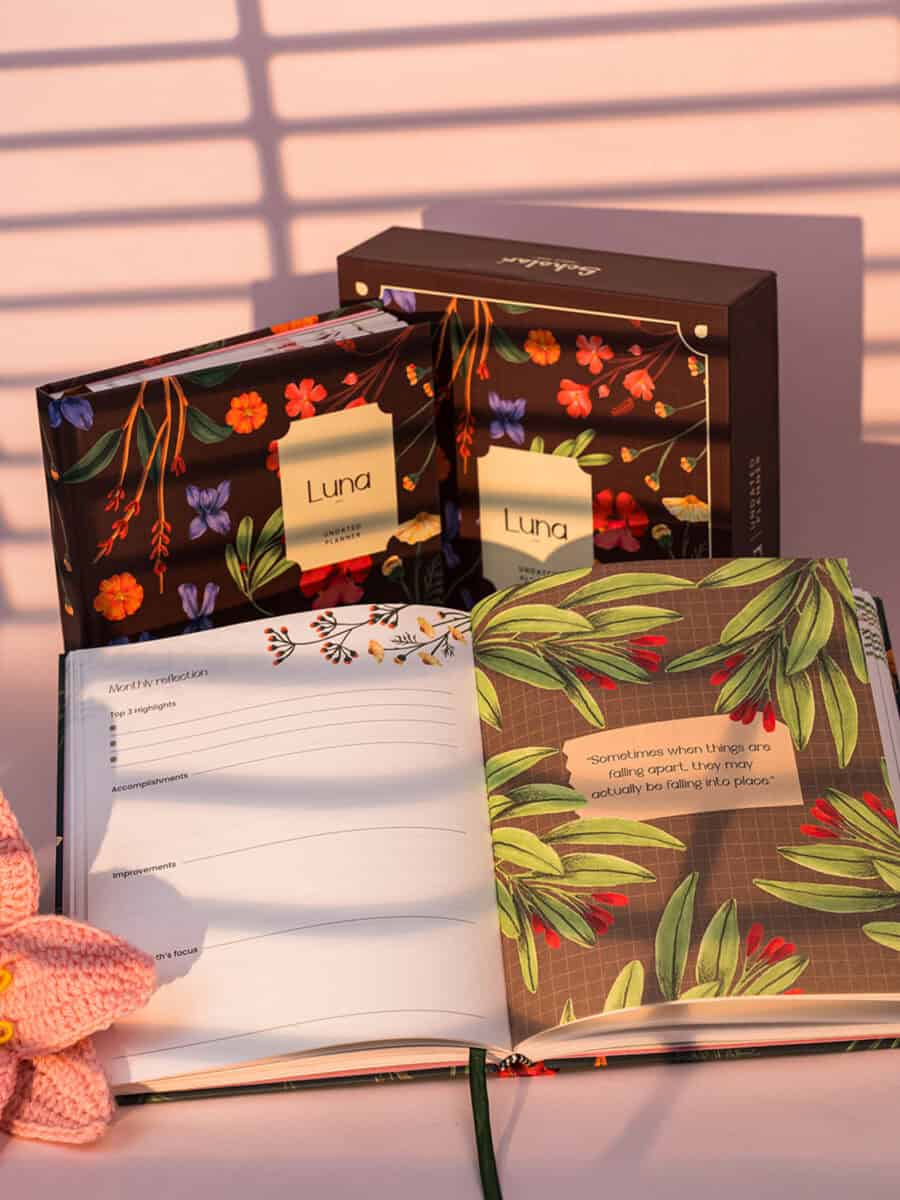
A well-designed diary supports both planning and reflection without feeling cluttered. Thoughtfully created options combine functional layouts with dedicated sections for long-term goals, monthly reviews, and habit tracking.
Choosing the right format from well-designed New Year diaries makes consistency easier and turns planning into a daily ritual rather than a task.
E] Creative Diary Prompts & Templates
If you are looking for more inspiration, explore these creative ways to use a diary to make your planning routine more engaging and personal:
- Vision Board Page: Paste or sketch images representing your 2026 goals. Review every quarter to reconnect with your purpose.
- Monthly Theme Tracker: Assign a focus word to each month and colour-code days that reflect it. This builds visual motivation.
- Weekly Wins Log: Write three short lines: what worked, what to improve, and your next bold step.
- Habit Chain Visual: Mark one link every day in your chain to track progress and avoid breaking the habit.
- Gratitude + Goal List: End each month by noting three achievements linked to your goals to strengthen positive momentum.
F] When and Why to Review Your Diary Entries
A diary becomes powerful when you revisit it. Weekly reviews help you reset priorities and recognise small wins. Monthly reflections reveal patterns in your productivity, energy, and focus.
Instead of seeing missed targets as failures, you can adjust timelines and strategies. This builds resilience and keeps goals realistic. Regular reviews also show how far you have come, which increases motivation.
Over time, your diary evolves into a personal guide that helps you make better decisions, manage time wisely, and stay aligned with your long-term vision.
Conclusion
Consistency matters more than perfection. Your 2026 diary is not meant to be filled flawlessly; it is meant to be used honestly. It becomes a personal space where your plans, progress, and reflections come together with clarity. Start small, write your goals, track meaningful actions, and review them regularly. Over time, you will see how simple daily notes shape long-term growth.
If you are looking for a thoughtfully designed diary, explore our range through our online stationery collection, which supports structured planning and reflection. Feel free to contact us to find options that can help you stay organised and intentional throughout the year.
FAQs
1. How can I use my New Year diary for effective goal-setting in 2026?
Start by writing clear yearly goals, then break them into monthly and weekly action steps so your diary becomes a practical roadmap rather than just a planner.
2. What are the best diary techniques for building new habits?
Use habit trackers, daily checklists, and small progress notes to stay consistent and visually see your daily record, which boosts motivation.
3. How can I use a diary to track personal growth in 2026?
Record key wins, challenges, lessons learned, and moments of gratitude regularly to create a written timeline of how you’re evolving.
4. How do I use a diary to review and reflect on my progress?
Set a weekly or monthly reflection page to evaluate what worked, what didn’t, and what needs adjustment for the next phase.
5. How do I use a diary to stay accountable to my goals?
Write your goals frequently, track deadlines, and include short end-of-day check-ins to measure whether your actions matched your intentions.